SEO in the AI Era: How to Learn SEO and Stay Competitive 2026
SEO has changed. For years, the process seemed simple: find a keyword, create and optimize content, build backlinks, and generate traffic from Google. But the rise of AI has changed how content is created and how Google responds to it. AI can now produce huge amounts of content quickly, while Google has become more aggressive in removing websites from search results.
However, SEO is not dead. Google still receives an enormous number of searches every year. Instead, search engine optimization has evolved, and learning how to adapt is becoming more important than following old strategies.
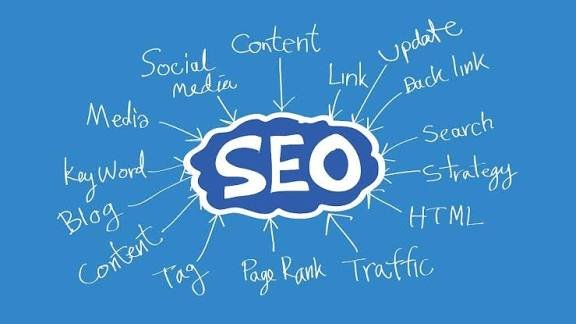
Learn the Fundamentals
The fundamentals of search engine optimization have not disappeared. People still search using keywords and topics, and websites still need content that search engines can find, index, and understand. Backlinks can also help pages rank higher in Google.
That makes understanding these fundamentals the first step for anyone learning SEO today. However, simply knowing the basics is no longer enough to remain competitive in 2026.
In the past, many people could look at pages already ranking on Google, copy their approach, add a few additional points, include keywords and related topics, build some backlinks, and achieve rankings. This made writing for search engines highly mechanical.
The problem is that search engines are not the customers. People are.
Tips to Rank
Instead of creating content only to rank for a keyword, SEO today should focus on understanding what the searcher actually wants.
For example, imagine you want to rank for the search query “how to start a YouTube channel.” Instead of only asking how to rank for that keyword, think about the person searching for it.Are they a complete beginner? Do they need recommendations for equipment? Are they struggling to choose a niche? Why do they want to start a YouTube channel? Is it for creativity or to make money?
You should also think about how they want the information presented. Perhaps a checklist, step-by-step tutorial, or interactive guide would be more useful.
Understanding search intent helps you create content that genuinely serves the person searching. When content actually answers what people need, it can help keep them engaged, build trust, and turn visitors into customers.
Use AI as an Assistant
AI should not simply be avoided. Instead, SEO professionals should learn how to use AI tools properly.The problem with generic AI content is not necessarily the tools themselves. The problem is how people use them.AI can help with brainstorming, writing, and analyzing data. But its output depends heavily on the guidance it receives.Someone who knows nothing about search optimization may struggle to tell AI what good content should look like or how to improve a website. In that situation, AI effectively ends up guiding the person.
An experienced SEO professional works differently. They can perform keyword research, understand their audience, examine search results, and collect useful information before using an AI tool to help execute their strategy.This is why the goal should be to use AI as an assistant, not a replacement. Strong fundamentals and firsthand experience allow you to become the operator rather than simply relying on AI to make decisions.
Don’t Depend Only on Google
Learning SEO should also mean preparing for the possibility that Google traffic can disappear.
Search traffic can generate consistent results, but it can also vanish unexpectedly. Because of this, it is important to diversify beyond Google.
The skills learned through SEO—including keyword research, understanding search intent, link building, and technical SEO—can apply to many search-driven platforms.
YouTube is one example. Google search skills can be applied to YouTube search. Similar principles can also be used on platforms such as Pinterest, Reddit, eBay, and Quora.
Any platform that organizes and surfaces content based on user queries can follow similar core principles. Learning Google search optimization can therefore provide a strong foundation for optimizing content across other search-driven platforms.
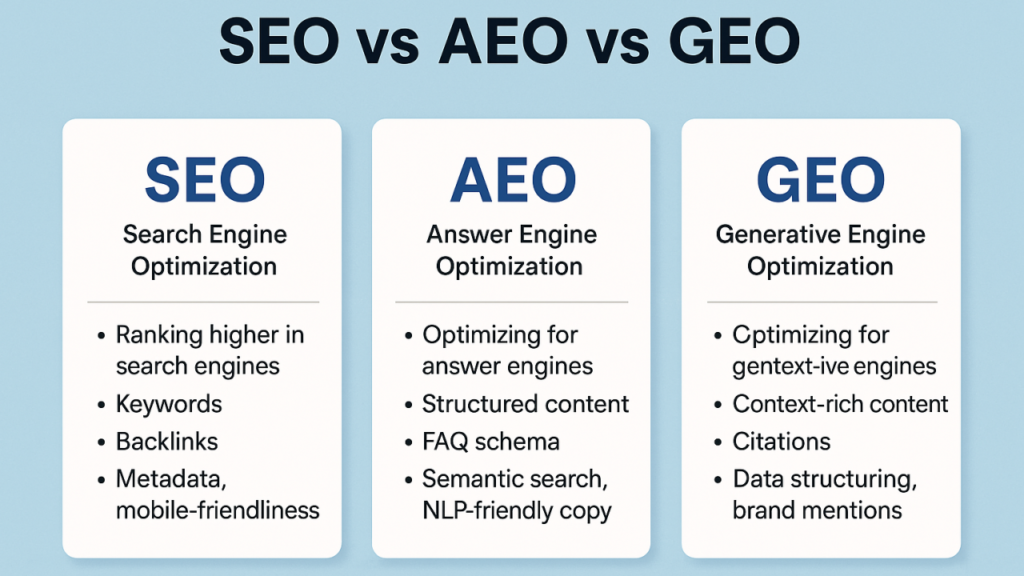
Become Worth Finding
At its core, SEO is still about connecting searchers with the best search results.
But AI can now produce endless amounts of mediocre content. Simply copying what already exists is no longer enough.
The better approach is to understand the searcher, focus on search intent, create genuinely useful content, learn the fundamentals, and use AI to assist rather than replace your expertise.
If you want to succeed in the AI era, the goal is simple: don’t just try to rank. Create something worth finding.